
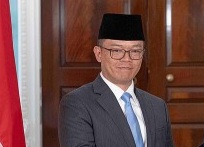
Indonesia is pushing for significant reforms to the United Nations Security Council, emphasizing the urgent need for the body to adapt to challenges introduced by advancements in artificial intelligence and other modern technologies. Indonesian Foreign Minister Sugiono voiced these concerns during a UN debate held in New York, highlighting the rapidly evolving global security landscape influenced by AI, autonomous weaponry, and nuclear technology developments.
Sugiono argued that the current structure of the Security Council, established in the post-World War II era, is inadequate to address today’s security threats without undertaking substantial reforms. To enhance the council’s effectiveness, Indonesia called for increased transparency, accountability, and inclusivity, advocating for stronger representation of developing nations and the Global South in international decision-making processes.
The need for reform is underscored by the remarks of UN Secretary-General António Guterres, who cautioned that technological advancements, especially in AI and autonomous weapon systems, are outpacing current international governance frameworks, thereby generating unpredictable risks. As AI’s role in military applications grows, governments and international bodies are becoming increasingly concerned about its implications.
In recent years, the Security Council has been actively discussing the impact of artificial intelligence on warfare and exploring the necessity for responsible regulation of emerging technologies. Indonesia, eyeing a non-permanent member seat in the Security Council for the 2029-2030 term, continues to champion reforms that would make the council more representative and capable of addressing contemporary global challenges effectively.
Through these proposed reforms, Sugiono emphasized the importance of restoring confidence in the Security Council’s ability to respond to modern threats, ensuring it remains a robust entity in maintaining international peace and security amidst the rapid pace of technological innovation.