
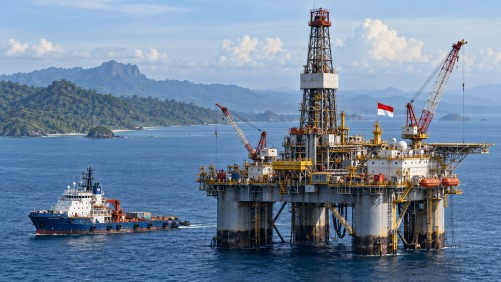
Indonesia is ramping up its domestic oil exploration and production efforts as global crude prices surpass $100 per barrel. This move aims to address the country’s current production shortfall and reduce its reliance on oil imports. Deputy Energy and Mineral Resources Minister Yuliot Tanjung emphasized the urgency of developing domestic oil resources in light of the rising global prices.
In 2026, Indonesia’s oil production averaged around 578,000 barrels per day from January to July, falling short of the government’s target of over 1 million barrels per day. To counter this deficit, the government plans to accelerate exploration and production activities in 2027 and 2028. These efforts include providing incentives to encourage investment from both state-owned and private companies in new oil projects.
The decision to boost domestic exploration coincides with Indonesia’s increasing oil and gas import costs, which reached $25.77 billion in the first seven months of 2026—a more than 40% increase compared to the same period in the previous year. This rise in import costs is largely due to higher crude oil and petroleum product imports.
Despite the surge in global oil prices, the Indonesian government intends to maintain current subsidized fuel prices through the end of 2026, while allowing nonsubsidized fuel prices to fluctuate with market conditions. This policy decision reflects the government’s effort to shield consumers from the full impact of global price hikes while still addressing the country’s energy needs through increased domestic production.