
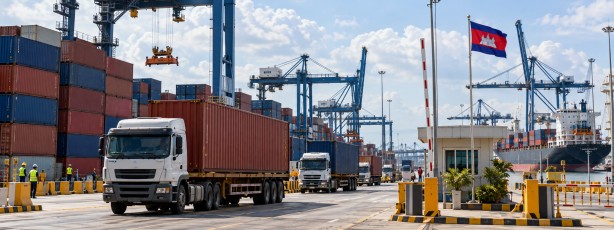
Cambodia is intensifying its efforts to modernize its transport and logistics infrastructure, aiming to enhance trade competitiveness and bolster connections with regional and global supply chains. This initiative is part of a broader strategy outlined in the Comprehensive Master Plan on the Cambodian Intermodal Transport and Logistics System 2023–2033. The plan encompasses 174 projects that span roads, railways, waterways, ports, aviation, logistics, and intermodal transport.
Prime Minister Hun Manet recently chaired a Council of Ministers meeting to evaluate ongoing progress in enhancing supply chains, trade routes, and transportation systems. The discussions also included strategies to reduce transit costs and improve domestic and international market linkages. The goal is to leverage upgraded infrastructure to support manufacturing, agro-processing, and high-value industries, thereby attracting foreign investment and reinforcing Cambodia’s role in regional and global trade networks.
The Cambodian government views these logistics reforms as critical to strengthening the country’s economic position. By improving transport connections, Cambodia aims to facilitate smoother trade flows and increase its competitiveness in the global market. This comprehensive approach is expected to provide a significant boost to the nation’s economic growth and development.
The focus on logistics reforms reflects Cambodia’s commitment to integrating more effectively into global trade systems. By enhancing its infrastructure, the country seeks to create a more efficient and cost-effective environment for both domestic and international businesses. This initiative is part of Cambodia’s broader economic development strategy, which prioritizes creating a conducive environment for investment and trade.