
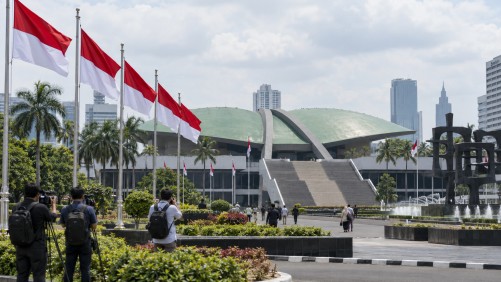
Indonesia’s political landscape may soon face significant changes as lawmakers deliberate on new rules for presidential nominations ahead of the 2029 general election. If enacted, the proposed requirements could reshape the political arena by mandating that presidential candidates secure support from at least two parliamentary factions. This development could notably impact smaller political parties that lack representation in Parliament, potentially limiting their ability to participate in the presidential race.
The discussion follows a January 2025 ruling by Indonesia’s Constitutional Court that overturned the existing presidential nomination threshold. Previously, a political party or coalition needed 20% of parliamentary seats or 25% of the popular vote in the last legislative election to nominate a candidate. The court deemed this system unconstitutional, prompting the current debate over establishing new criteria.
Advocates for the proposed dual-faction support rule argue that it is necessary to prevent an overwhelming number of presidential candidates. However, critics warn that such a regulation could stifle the political aspirations of smaller parties and independent candidates who might not have the backing of established parliamentary factions. Surya Paloh, chairman of the NasDem Party, has voiced his support for this requirement, while other political leaders and analysts express concerns over potential limitations on electoral competition.
The discourse extends to the parliamentary threshold as well. Members of the ruling coalition are considering increasing the minimum percentage of votes a party must receive to secure parliamentary seats from 4% to 5%. The Constitutional Court has previously urged a review of this threshold before the next election cycle. These potential changes highlight ongoing efforts to refine Indonesia’s electoral processes, aiming to balance accessibility with political stability.
While discussions continue, the final decisions regarding the rules for presidential nominations and parliamentary representation remain pending. The outcome of these debates will play a crucial role in shaping the framework for Indonesia’s 2029 electoral process, with significant implications for the country’s political future.