
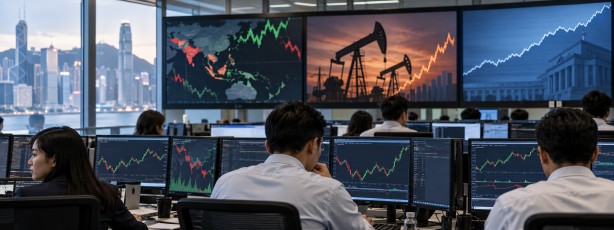
Asian markets showed a mixed performance on Friday amid rising oil prices and government bond yields, coupled with ongoing geopolitical uncertainties in the Middle East. The market fluctuations were exacerbated by investor concerns over inflation and energy supplies, as oil prices remained a focal point after a sharp increase earlier in the week. Brent crude saw a slight decline of about 0.7% on Friday after surging more than 3% the previous day, intensifying worries about the global oil supply and its potential impact on inflation.
Government bond yields continued to climb, capturing the attention of investors. The US 10-year Treasury yield reached its highest level since 2007, and the 30-year yield hit a peak not seen since 2004. Similarly, Japan’s 10-year government bond yield rose to a new 30-year high, highlighting a trend of rising borrowing costs globally.
The mixed market response was evident across major indices in the region. Japan’s Nikkei 225 index rose by 1.2%, reflecting some investor optimism, while Hong Kong’s Hang Seng Index fell by 1.8%, indicating more cautious sentiment. Meanwhile, markets in Shanghai, Seoul, and Taipei remained closed due to holidays.
Investor sentiment was further complicated by developments in US-China trade relations. Although Washington and Beijing agreed to extend their trade truce for two months, significant issues remain unresolved, including tariffs, agricultural purchases, rare-earth supplies, and technology restrictions. This ongoing uncertainty continues to weigh on market outlooks.
Geopolitical tensions in the Middle East have added to the market strain, putting pressure on the oil market and stoking fears about the potential repercussions on global economic growth and inflation. These factors collectively contributed to the mixed trading outcomes witnessed across Asian markets this week.