
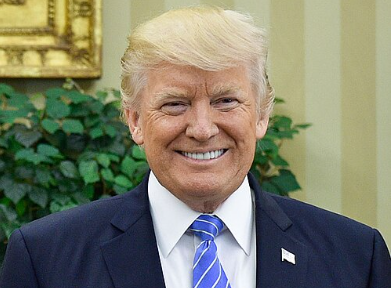
In a surprising pivot from his traditional deregulation stance, Donald Trump has announced a strict price control measure: a 10% cap on credit card interest rates. The policy, announced on Truth Social with a January 20 start date, represents a significant intervention in the free market. Trump justified the move by citing the “ripping off” of Americans by companies charging rates as high as 30%.
This interventionist approach contrasts sharply with Trump’s first term, which was characterized by cutting regulations and unleashing the financial sector. By capping interest rates, Trump is adopting a tool more commonly associated with the political left. Senator Elizabeth Warren was quick to point out this contradiction, calling the announcement a “joke” and noting Trump’s history of weakening consumer protections.
The banking industry is vehemently opposed to the new direction. Major financial associations issued a joint statement warning that the cap would distort the market and hurt consumers. They argued that interest rates are a reflection of risk; if the government artificially depresses them, banks will stop lending to risky borrowers. This would effectively shut millions of working-class families out of the credit system.
Despite the ideological inconsistency, the move has found support among populists. Senator Josh Hawley praised the decision as a “fantastic idea,” signaling that the Republican party is shifting away from pure free-market dogma. Senator Bernie Sanders also saw his own ideas reflected in the announcement, creating a unique moment of bipartisan agreement on the problem, if not the solution.
As the January 20 deadline nears, the economic implications are being hotly debated. Investor Bill Ackman warned that the cap could lead to a credit crunch, with banks canceling cards to avoid losses. Whether this pivot to price controls will succeed or fail depends on the administration’s ability to enforce it against a hostile financial sector.