
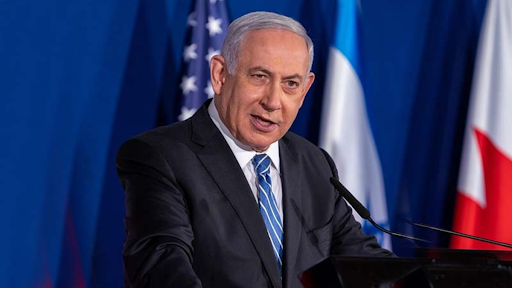
Amidst a probe by the International Criminal Court and widespread accusations of war crimes, Israeli Prime Minister Benjamin Netanyahu used his UN platform to reject the charge of genocide. “Would a country committing genocide plead with the civilian population it is supposedly targeting to get out of harm’s way?” he rhetorically asked the sparse audience.
His defense was part of a broader, defiant speech that followed a mass walkout of over 100 diplomats. Netanyahu pledged to “finish the job” in Gaza, ignoring international pleas for a ceasefire as reports of new civilian casualties, including at a displacement camp, emerged.
He also attacked the growing international support for a Palestinian state, calling it “insane” and a reward for the October 7 attacks. This hardline stance has left his government increasingly isolated, as evidenced by the empty seats in the General Assembly hall.
By addressing the genocide accusation directly, Netanyahu attempted to counter a powerful narrative that has taken hold among his critics. However, the diplomatic protest and ongoing humanitarian crisis in Gaza suggest his words did little to change minds.