
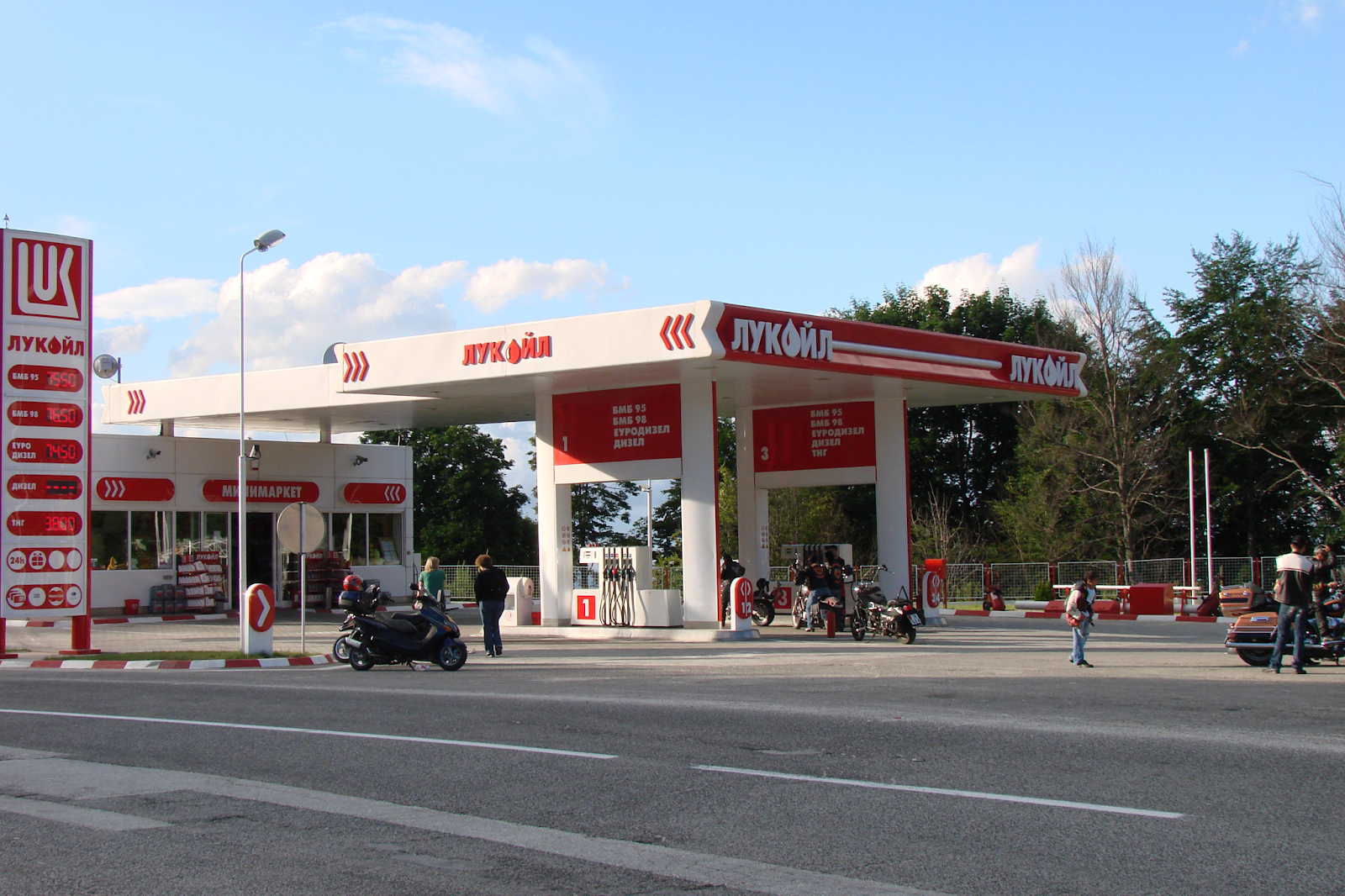
Rumors of significant damage are circulating after Ukraine strikes Russian oil drilling rigs in the Caspian Sea during a strategic night raid. The General Staff of the Armed Forces of Ukraine officially announced that the V. Filanovsky, Yuri Korchagin, and Valery Grayfe platforms were hit. These installations are the property of Lukoil, one of the world’s largest oil producers, and are vital for Russia’s export economy. The strike is interpreted as a direct attempt to cut off the petrodollars that fuel the Russian military machine. By physically damaging the infrastructure that pumps oil, Ukraine is attempting to enforce a level of economic blockade that sanctions alone have struggled to achieve.
The operation against these platforms appears to be the culmination of a weeks-long campaign, as the facilities had been targeted repeatedly in December. The announcement of “direct hits” implies that Ukrainian forces have successfully penetrated the defensive measures protecting these high-value assets. While a full damage assessment is currently underway, the potential for long-term disruption to oil flows is significant. Lukoil’s failure to issue an immediate statement has only fueled speculation about the severity of the incident. If these platforms are offline for a significant period, it could put a dent in Russia’s monthly revenue, forcing the government to dip further into its reserves to fund the war.
On the tactical front, the destruction of a Buk-M3 air defense system in the Luhansk region stands out as a significant achievement. This mobile missile launcher is a key part of the Russian integrated air defense system (IADS), capable of engaging targets at medium ranges. Its elimination, marked by multiple hits and subsequent detonations, creates a gap in the air defense umbrella that protects Russian occupation forces. This vulnerability can now be exploited by Ukrainian aviation and drone units to strike deeper into enemy territory. It is a classic example of “suppression of enemy air defenses” (SEAD), a critical prerequisite for any successful ground offensive.
In addition to the high-tech war against air defenses, Ukraine is also waging a war of attrition against Russian logistics. A strike on a warehouse in the Kherson region targeted a material and technical support unit, destroying supplies meant for the front lines. These logistical hubs are essential for sustaining combat operations, and their destruction forces Russia to reroute supplies and lengthens their supply lines, making them more vulnerable to interdiction. This “starvation” strategy is designed to reduce the combat effectiveness of Russian troops by denying them the ammunition and fuel they need to operate.
The violence has also reached deep into Russia proper, with the city of Voronezh experiencing a massive drone attack. Local officials reported that 17 incoming UAVs were neutralized, but the attack still managed to kill one person and wound four others. Governor Alexander Gusev characterized the raid as one of the largest since the start of hostilities. These deep strikes serve a dual purpose: they degrade military infrastructure within Russia and they bring the psychological weight of the war to the Russian population, potentially eroding domestic support for the conflict over time.