
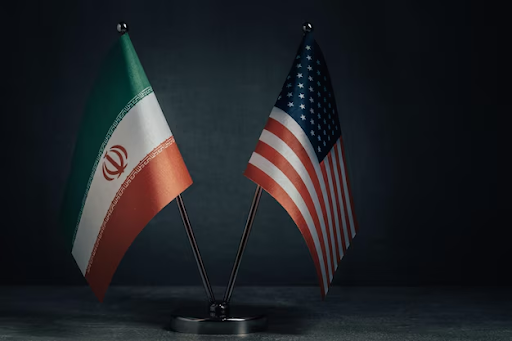
The slow, careful diplomacy of indirect negotiations produced a tangible result on Tuesday when Iran and the United States, talking through Omani go-betweens in Geneva, arrived at a shared set of guiding principles for future nuclear discussions. Tehran’s foreign minister called the talks constructive, while acknowledging that many difficult issues remained unresolved.
This was the second round of talks in a process that began earlier this month, and by all accounts the tone was more positive than the first session. Iran’s delegation — led by Foreign Minister Araghchi, who had met with IAEA chief Rafael Grossi the previous day — came prepared with detailed proposals on enrichment constraints and inspection protocols.
The proposals centered on Iran’s willingness to dilute its 40-kilogram stockpile of 60% enriched uranium and to cooperate more fully with IAEA inspectors trying to assess the damage caused by US military strikes on nuclear facilities. Iran also floated the concept of a temporary enrichment suspension, though the precise duration was left open given the practical uncertainties surrounding damaged infrastructure.
Washington’s red lines remained largely unchanged: full cessation of domestic enrichment and comprehensive IAEA oversight. Iran accepted the need for verification but rejected the demand to abandon enrichment rights entirely, framing it as an attack on national sovereignty. Both sides agreed to exchange draft texts before meeting again in roughly two weeks.
The day’s events encapsulated the contradictions of the current moment: diplomats making progress in a Swiss conference room while a supreme leader threatened naval warfare in the Gulf, soldiers conducted live-fire exercises in a critical shipping lane, and thousands of arrested protesters awaited trial in Iranian courts.