
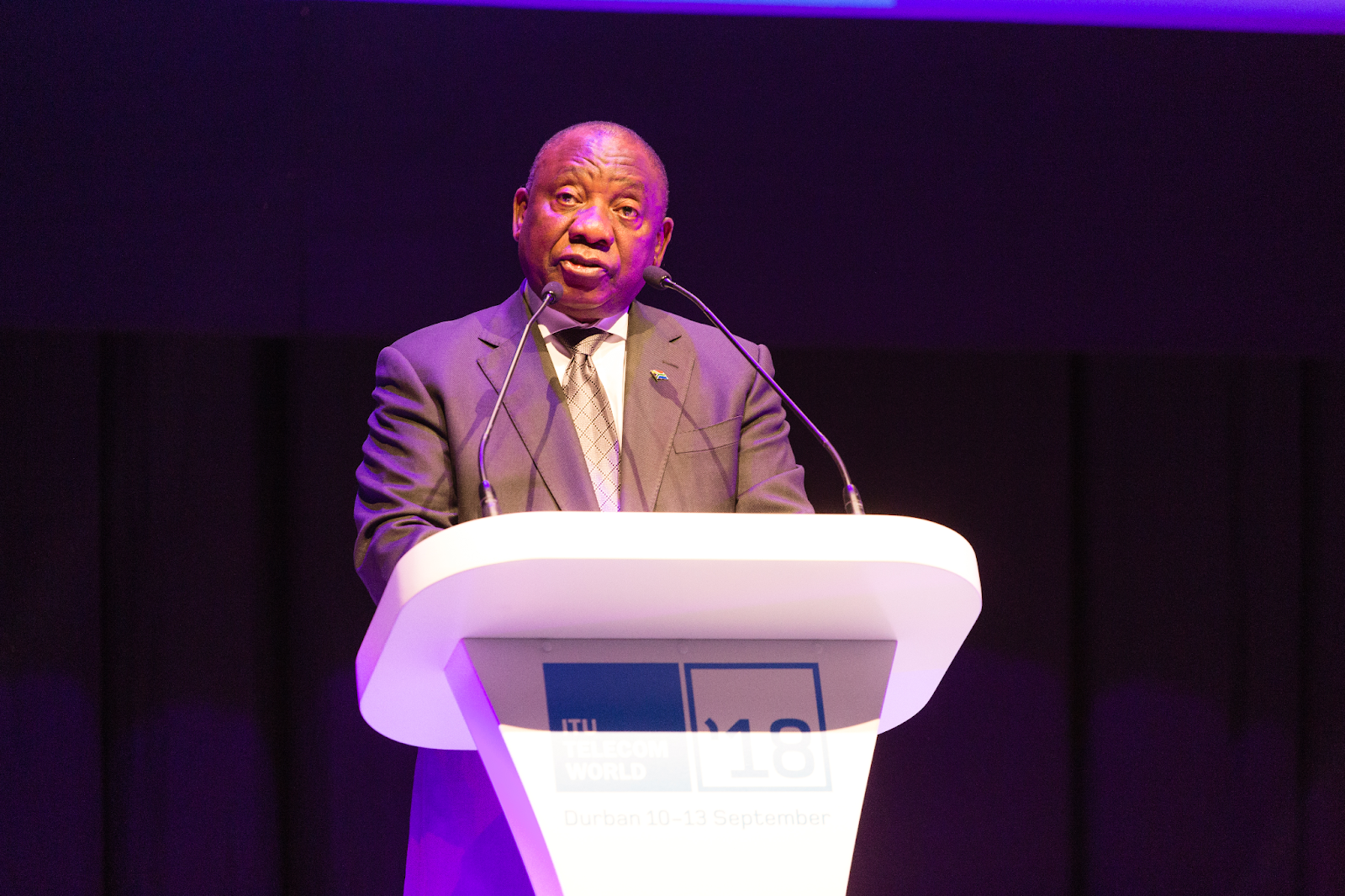
South Africa has successfully resisted attempts at diplomatic coercion, with President Cyril Ramaphosa confirming the US is reconsidering its G20 boycott. The last-minute talks indicate a possible reversal of the decision to abstain, a major step toward a fully attended summit. Ramaphosa, however, reserved judgment on the personal attendance of President Donald Trump.
The initial boycott was announced after President Trump publicly alleged discrimination and violence against white Afrikaner farmers, citing controversial land policies. The South African government rejected these claims as factually inaccurate and politically motivated, arguing they were intended to undermine the nation’s hosting of the G20.
Speaking with European counterparts, Ramaphosa expressed optimism, labeling the US outreach as a clear “positive sign.” He articulated a strong philosophical position that boycotts rarely achieve constructive ends and strongly advocated for inclusive global cooperation. South Africa’s G20 agenda remains dedicated to championing the economic priorities of the developing world.
The diplomatic standoff intensified over a US note warning that the G20 could not issue a unified final statement without American participation. South Africa condemned this tactic as outright coercion, asserting that it fundamentally undercut the principles of multilateral decision-making. Officials were firm in their stance against an absent nation holding veto power over the collective.
Ramaphosa concluded by emphasizing South Africa’s commitment to consensus-building among the G20 nations. While acknowledging the US will assume the next G20 presidency, he stressed that the forum’s legitimacy rests on its inclusivity and collaborative spirit, not on succumbing to unilateral pressure.