
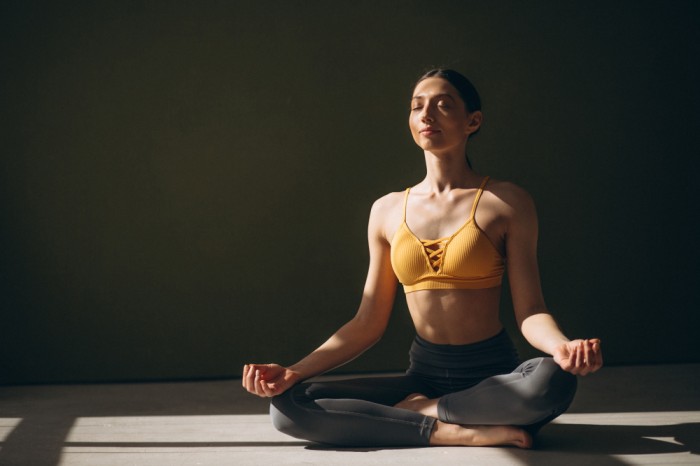
Yoga offers a powerful way to navigate the ebb and flow of emotions, providing a path to reconnect with oneself and find balance amid life’s highs and lows. Through the integration of gentle movements and mindful breathing, this ancient practice fosters relaxation, enhances body awareness, and assists in managing emotional fluctuations. By engaging in specific poses, individuals can address various emotional states and cultivate a more serene mindset.
To combat feelings of sadness, the Cobra Pose (Bhujangasana) is particularly beneficial. This gentle backbend opens the chest and, when paired with slow, intentional breathing, promotes a sense of openness and lightness, helping to release physical tension. For those seeking to cultivate gratitude, the Easy Pose with Heart Focus (Sukhasana) offers a chance to slow down, reflect, and appreciate the present moment, particularly when combined with mindful breathing techniques.
To quell anxiety, the Butterfly Pose (Baddha Konasana) serves as a grounding practice. By directing attention to the body and breath, this calming posture fosters a feeling of stability, particularly when thoughts become overwhelming. For building confidence, Warrior II (Virabhadrasana II) stands out as a strong, steady posture, encouraging focus and balance, and instilling a sense of strength and self-assurance.
Stress relief can be found in Child’s Pose (Balasana), a soothing posture that allows both the mind and body to unwind. Deep breathing in this position aids in releasing tension and promoting a sense of comfort. For those feeling overwhelmed, Legs Up the Wall (Viparita Karani) is a restorative pose that requires minimal effort. Spending quiet moments in this position can alleviate mental fatigue and instill a sense of calm.
Finally, the Seated Forward Fold (Paschimottanasana) is ideal for managing anger. This pose invites a slower, more introspective state, helping to relax the body and offering a peaceful pause during intense emotional experiences. While yoga may not eliminate challenging emotions entirely, it provides a constructive approach to acknowledging feelings, relaxing the body, and enhancing emotional awareness.