
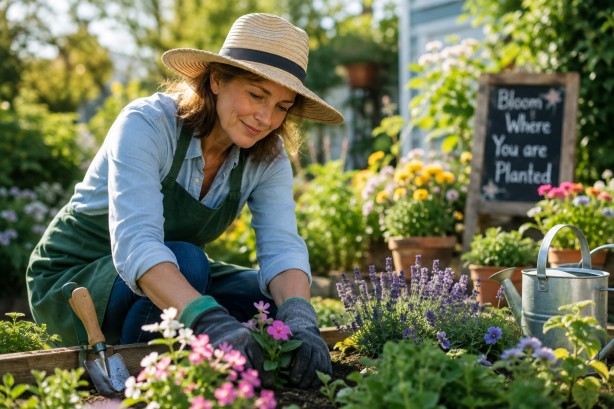
Gardening, often embraced as a serene pastime, extends its benefits far beyond creating an aesthetically pleasing yard. It integrates physical exercise, exposure to nature, sensory engagement, and a profound connection with the natural world, which collectively enhance overall well-being. Numerous studies have highlighted the myriad physical and mental health advantages associated with regular gardening activities.
One of the key benefits of gardening is its support for cognitive health. The activity involves movement, planning, and the simultaneous use of multiple senses. Tasks like selecting plants, recalling their care needs, and handling soil provide mental stimulation. Research suggests that this blend of physical activity, mental engagement, and mood enhancement can improve cognitive function over time.
Gardening also plays a significant role in stress reduction. Immersing oneself in a green environment can foster a sense of calm and alleviate stress. Engaging in tasks such as watering, pruning, and planting offers a respite from daily stressors. This reduction in stress is linked to overall health improvements, making gardening a valuable component of a balanced lifestyle. Moreover, gardening can boost mental well-being by instilling a sense of purpose and achievement. Observing the growth and nurturing of plants encourages outdoor time, which can distract from everyday concerns. Studies have connected gardening with enhancements in mood, reductions in anxiety and depression, and greater life satisfaction.
Another important aspect is the promotion of physical activity. Gardening involves exercises like digging, planting, and carrying, which engage various muscle groups and elevate daily activity levels. For individuals with sedentary lifestyles, gardening offers a straightforward way to increase movement while accomplishing meaningful tasks. Additionally, gardening encourages outdoor time, exposing individuals to sunlight and helping the body produce vitamin D, crucial for bone health and immune function. While sunlight exposure is beneficial, it’s vital to balance it with adequate protection during peak hours.
The combination of these elements—physical activity, stress relief, outdoor exposure, and healthier habits—can contribute to long-term health benefits. Particularly among older adults, gardening has been associated with improved cardiovascular health and reduced risks of lifestyle-related conditions. While it is not a panacea for longevity, incorporating gardening into an active and balanced lifestyle can promote healthier aging. Importantly, one does not need a large garden or extensive experience to enjoy these benefits. Simple practices like growing herbs, tending to indoor plants, or caring for flowers can provide opportunities for movement, relaxation, and nature connection, transforming gardening from a simple hobby into a multifaceted approach to enhancing daily life.