
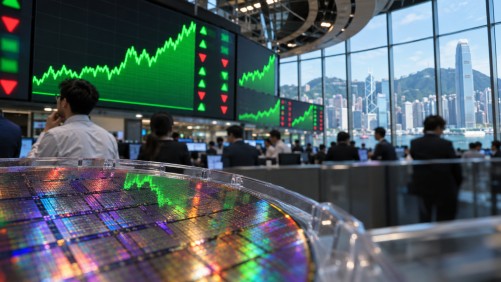
Asian stock markets saw gains on Thursday, buoyed by a rebound on Wall Street despite persistent concerns over artificial intelligence (AI) investments and new U.S. tariff proposals. Japan’s Nikkei index climbed 1.6%, while South Korea’s main stock index rose by 1.9%. Other markets in the Asia-Pacific region also experienced modest increases, reflecting improved sentiment following the U.S. market recovery.
However, technology stocks continued to face pressure, with Nvidia shares dropping 3.9% on Wednesday after S&P placed the company’s credit rating under review for a potential downgrade. This move raised questions about management and board oversight, contributing to broader apprehension regarding the long-term viability of AI-related investments.
Investor sentiment was further complicated by proposed U.S. tariffs targeting 14 major trading partners, including China, Japan, and the European Union. The potential for increased tariffs has sparked worries about inflation and the broader implications for international trade.
In the U.S., Treasury yields decreased, indicating shifting expectations about economic conditions and potential future interest rate decisions by the Federal Reserve. Meanwhile, oil prices remained stable amid concerns over potential supply disruptions in the Middle East following reports of an attack on a major Saudi oil refinery.
Gold prices edged lower as investors continued to evaluate global economic and financial market developments. The interplay of these factors highlights the precarious balance investors must navigate amid ongoing geopolitical and economic uncertainties.