
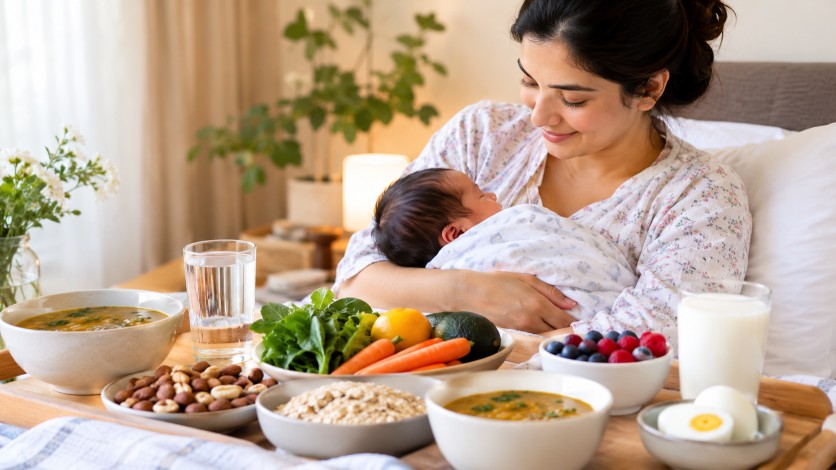
After childbirth, a mother’s recovery hinges significantly on proper nutrition, which plays a crucial role in replenishing nutrients, supporting tissue repair, and maintaining energy levels. While the focus often shifts to caring for the newborn, equal attention should be given to the mother’s health and nutritional needs to ensure a smooth recovery process.
Recovery after childbirth varies widely among women, influenced by factors such as the type of delivery, blood loss, existing health conditions, and any complications encountered. Some women regain strength within weeks, while others may take several months to feel fully recovered. During this period, focusing on rest, adequate food intake, and gradual recovery is more important than quickly losing pregnancy weight.
Proper nutrition is vital after delivery due to the significant demands placed on the body during pregnancy and childbirth. Blood loss during delivery can impact iron levels, and breastfeeding increases energy and nutrient requirements. A balanced diet rich in iron, protein, calcium, vitamin D, fruits, and vegetables can support recovery and maintain energy levels.
Iron-rich foods, such as lentils, beans, and leafy green vegetables, help produce healthy red blood cells, which is crucial for women who experienced significant blood loss during delivery. Protein sources like chickpeas, eggs, and fish support tissue repair and muscle strength. Calcium and vitamin D are essential for bone health, with dairy products and oily fish being good sources.
Incorporating a variety of fruits and vegetables provides essential vitamins, minerals, and fiber, aiding general health and preventing constipation, a common issue post-childbirth. Whole grains like oats and brown rice supply carbohydrates for energy, while healthy fats from nuts and seeds contribute to overall well-being.
Ensuring adequate fluid intake, especially during breastfeeding, is critical for hydration. Water, milk, and soups can help meet daily fluid needs. Practical strategies for eating well with a newborn include preparing meals in advance and having nutritious snacks, like boiled eggs and yoghurt, readily available.
The postpartum period should focus on healing rather than rapid weight loss. Adequate nourishment, rest, and emotional support are crucial components of recovery. By prioritizing balanced meals and seeking professional advice when necessary, new mothers can support their health while adapting to the demands of motherhood.