
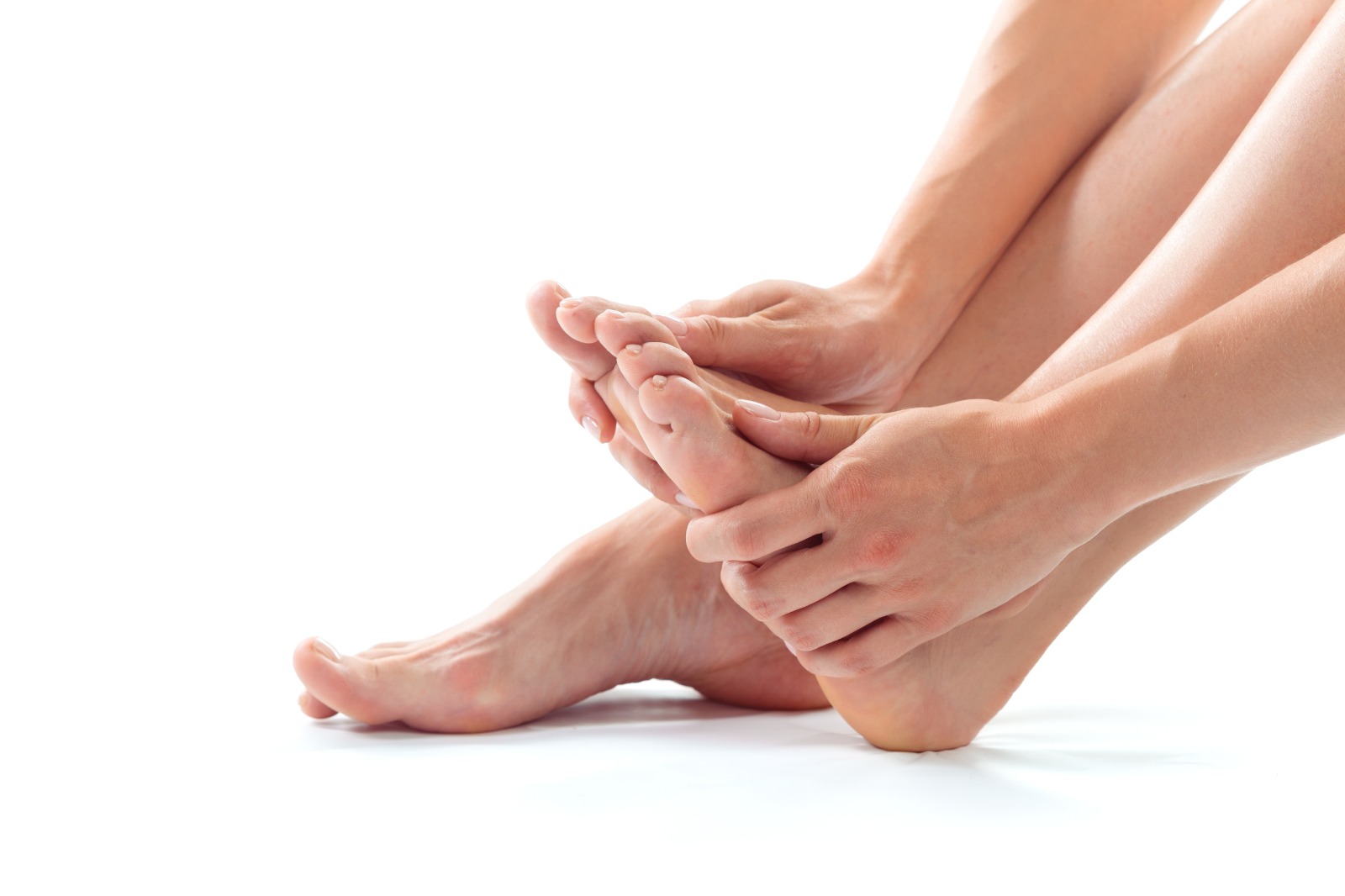
Nighttime leg discomfort — cramps, aching, restlessness, or a persistent inability to find a comfortable position for the legs — is a remarkably common complaint that encompasses a spectrum of conditions ranging from benign to clinically significant. While the majority of patients dismiss nighttime leg symptoms as a benign consequence of the day’s activities, vascular specialists note that these symptoms can sometimes reflect the same underlying venous dysfunction that drives daytime swelling and discomfort, and that they deserve appropriate evaluation.
Nocturnal leg cramps — sudden, involuntary contractions of the calf muscle that awaken patients from sleep — are most commonly benign and related to electrolyte balance, hydration, or muscle fatigue. But in patients with venous disease, cramps may reflect the chronic venous congestion in the calf that persists into the night. The elevated pressure and altered tissue environment in chronically congested venous tissue can create the conditions for muscular irritability and cramping. In these patients, addressing the underlying venous disease often improves the frequency and severity of nocturnal cramps.
Restless leg syndrome — the compelling urge to move the legs, typically worse in the evenings and at night — has been associated with venous insufficiency in a proportion of patients. The exact mechanism of this association is not fully established, but it is hypothesized that venous congestion and the altered tissue environment of venous disease may contribute to the peripheral neural mechanisms that produce restless leg symptoms. Several small studies have reported improvement in restless leg symptoms following treatment of underlying venous insufficiency.
Nighttime aching and heaviness that does not represent acute cramping but simply a persistent, uncomfortable awareness of the legs during sleep may reflect the elevated venous pressure that persists into the early hours before morning elevation and drainage have had their effect. In patients with significant venous disease, the legs may not achieve the pressure equilibration that normal veins achieve during overnight recumbency, leading to a persistent awareness of leg discomfort that disrupts sleep quality.
Vascular specialists encourage patients who experience regular nighttime leg symptoms — of any variety — to mention these symptoms during the history-taking portion of their medical consultations. Nighttime symptoms provide additional clinical data that can guide the diagnostic investigation and help distinguish venous from other causes of leg discomfort. For patients with confirmed venous disease, treatment that addresses the underlying reflux often produces improvements in both daytime and nighttime symptoms, substantially improving overall quality of life.